Gimpo vs Incheon Airport: Which One Gets You to Seoul Faster
Gimpo and Incheon are Seoul's two different airports, and Korean Air just got a 10 million won fine (about $7,460) for mixing up their terminals — a ground crew bus dropped 52 international passengers at the wrong one. Which airport you land at changes your whole first hour in Korea, and a lot of first-time visitors never quite work out the difference.
The fine itself is small change for an airline this size. What it exposes is more useful: Gimpo runs both a domestic terminal and a much smaller international one, right next to each other, and on June 7 someone drove the wrong bus between them.
What Happened on Flight KE2106
Korean Air flight KE2106 landed at Gimpo from Tokyo's Haneda Airport on June 7. Passengers were supposed to be bussed straight to the international arrivals building, but one ramp bus, operated by a ground-handling contractor, instead followed the domestic route and unloaded its 52 passengers at the domestic terminal. They walked in mixed with travelers arriving from Jeju and Busan — no immigration checkpoint in sight. Four of them left the building entirely before anyone caught the error; airport staff tracked them down and brought them back to clear immigration properly.
South Korea's Ministry of Land, Infrastructure and Transport ruled it a violation of aviation security rules and fined Korean Air 10 million won. The airline's own explanation, reported by SBS, put it plainly: the driver "made a mistake and moved along a route other than the international arrival procedure."
Why Gimpo Even Has an International Terminal
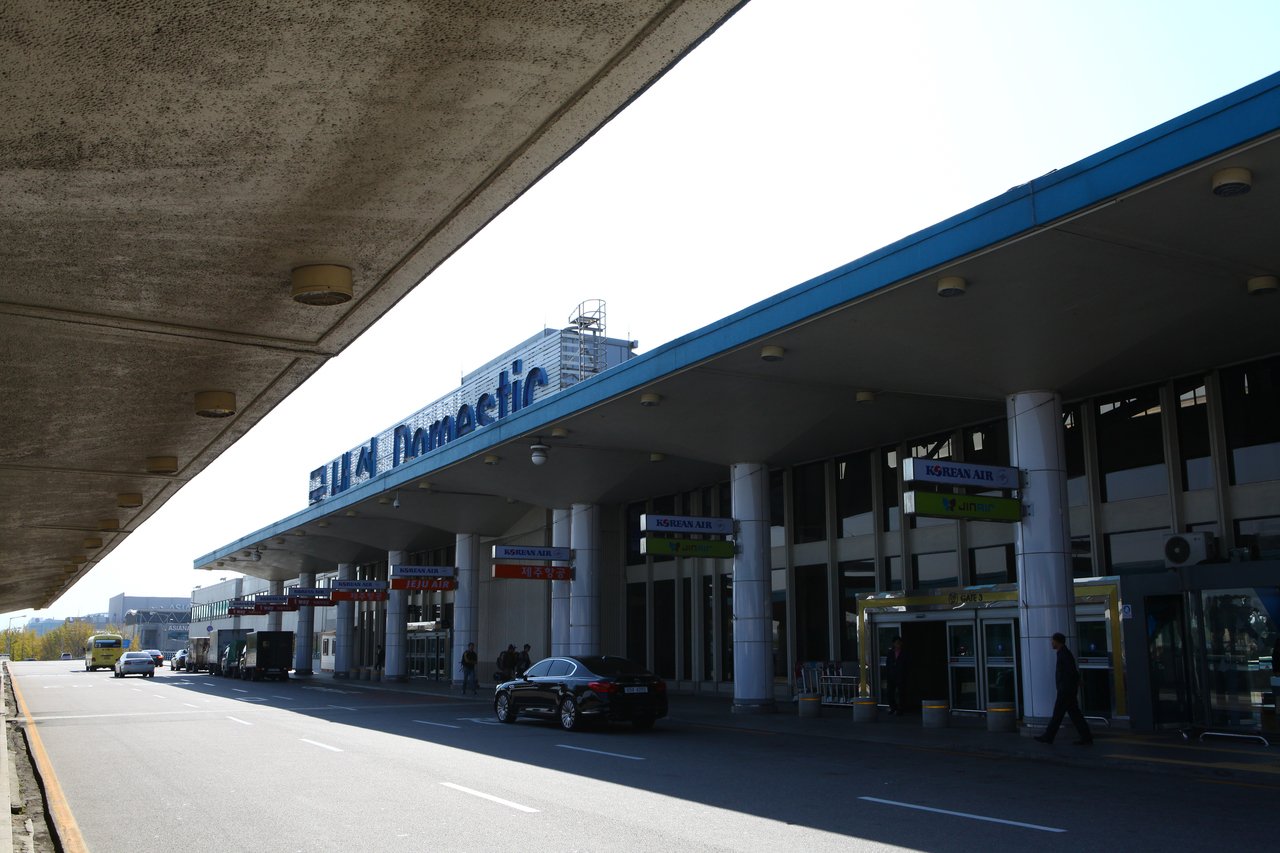
Most travelers assume every international flight into Seoul lands at Incheon. It doesn't. Gimpo was Seoul's main airport before Incheon opened in 2001, and it kept a handful of short-haul routes that make more sense from a closer-in airport: Tokyo–Haneda, Beijing–Capital, Shanghai–Hongqiao, and Taipei–Songshan, per Gimpo Airport's Wikipedia entry. Everything else (the domestic hops to Jeju, Busan, Gwangju) runs out of the much bigger domestic terminal a short walk away.
That's the whole story of June 7, really. Two terminals, one shared road system, and a bus route that's supposed to know the difference.
Getting From Gimpo Into Seoul
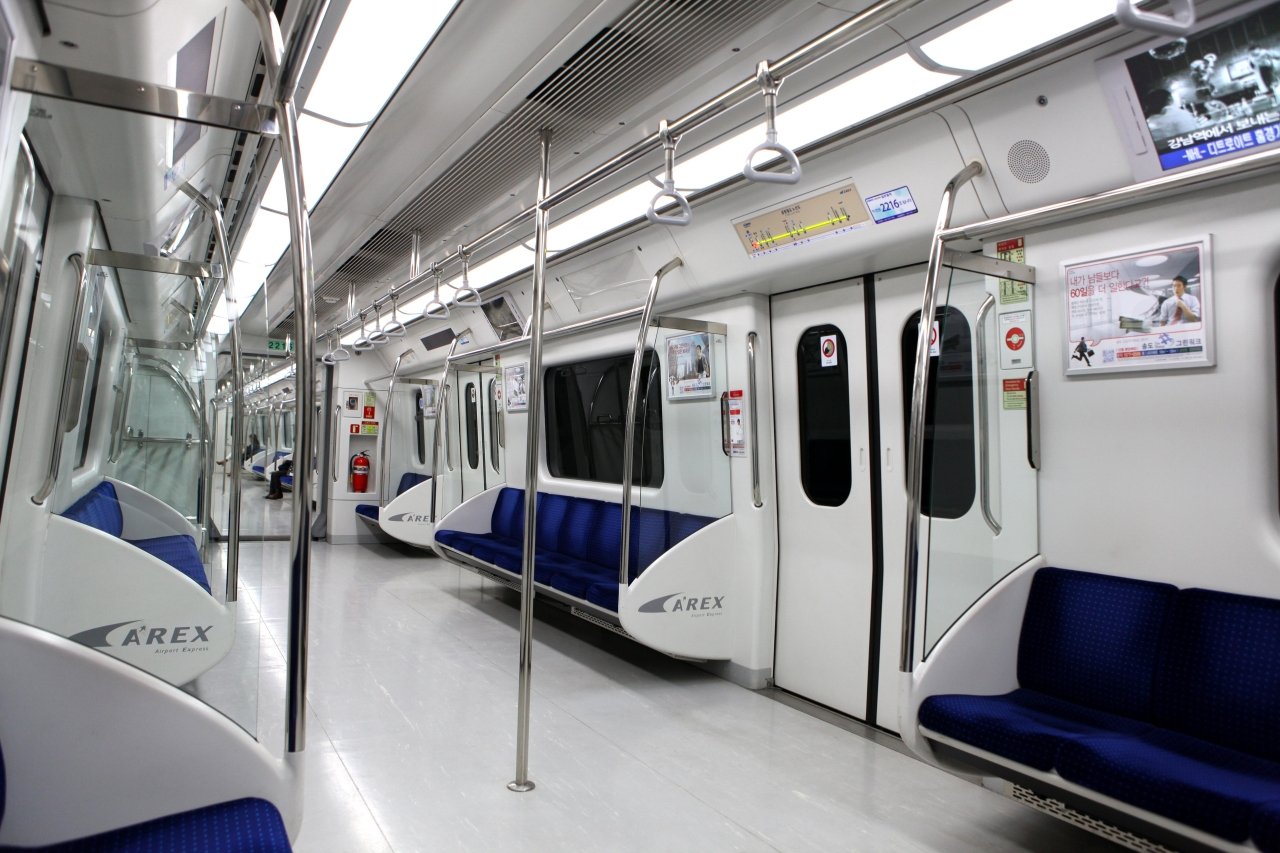
Gimpo sits about 15km from central Seoul, versus roughly 48km for Incheon, and that distance is where the savings come from. The AREX all-stop train (the only AREX service that calls at Gimpo, since the express skips straight to Incheon) gets you to Seoul Station in about 22 minutes for the regular metro fare, which rose to 1,550 won in 2025 and hasn't changed since (roughly $1.10, cheaper than a single ride on the New York subway). Skip the AREX ticket counter if you're heading there out of habit. There isn't a separate airport fare to buy; your T-money card already covers it.
A taxi isn't much worse. The meter starts at 4,800 won for the first 1.6km and climbs 100 won every 131 meters after that, with no airport surcharge and no highway run to pad the fare. Gangnam is about 33 minutes away on Line 9's express service. Incheon, by comparison, usually runs 60 to 90 minutes into the city depending on traffic and which line you take, plus a taxi fare several times higher.
Well. That gap is exactly why a business traveler doing a same-day Tokyo or Taipei trip would rather land at Gimpo than Incheon, even with fewer routes to choose from.
So Which Airport Will You Land At?
You mostly don't get to pick. If you're flying in from North America, Europe, or most of Southeast Asia, your flight is going to Incheon. That's simply where the long-haul routes are. If you're connecting through Tokyo–Haneda, Beijing, Shanghai, or Taipei on a regional carrier, there's a real chance your ticket says GMP, not ICN, and it's worth checking before you tell a hotel or a friend what time you'll land.
Gimpo isn't a hidden bargain-flight trick. It's just where a specific set of regional flights happen to land, and on the days it applies to you, it saves a genuine hour over Incheon. Just don't be the 53rd passenger who ends up in the wrong building because nobody double-checked which terminal the bus was heading to.
Flying into GMP this trip, or still routed through ICN? Either way, that terminal split is worth remembering before you land.
This is a running news series, not a one-off post — new stories go up twice a day, roughly 7am and 7pm Korea time.
More Korea coverage from our network: Hallyu Now · K-Sports Global · Korean Table · Seoul Skin Notes


Comments
Post a Comment