Do You Need Travel Insurance for Korea? What an ER Visit Costs
Bukhansan National Park holds an actual Guinness World Record: most-visited national park by unit area on the planet, according to easyVoyage. It sits inside Seoul's city limits, its tallest peak Baegundae tops out at 836.5 meters per Wikipedia, and the final stretch to that summit is a granite slab you climb hand-over-hand on a bolted metal chain. Every long weekend sends thousands of people up it. Chuseok, September 24 through 26 this year, is exactly that kind of weekend, and a good chunk of the people on that chain will be tourists who've never used it before.
So here's the question nobody asks until they're standing at an ER counter: if your foot slips on that rock, or you just get food poisoning from a street stall two days into the trip, what happens to you as a foreign visitor with no Korean health coverage?
Is Travel Insurance Required to Enter Korea?
No. If you're one of the 22 nationalities currently exempt from K-ETA, that exemption runs "through December 31, 2026," per KPMG's flash alert. Starting January 1, 2027, K-ETA is scheduled to become mandatory again for everyone, exempt countries included, unless Korea extends the waiver a third time — but that's a separate deadline from insurance either way. Neither the K-ETA application nor a standard tourist visa asks you to show proof of coverage. ComeOnKorea's guide puts it directly: "Travel insurance is not mandatory to enter Korea — neither the visa nor the K-ETA lists insurance as a requirement (as of June 2026)."
That's different from countries that make you show a policy at the border. Korea just doesn't check. Which means the decision to buy it or skip it is entirely on you, and nothing forces the question until you need care.
What an ER Visit Costs If You Skip It
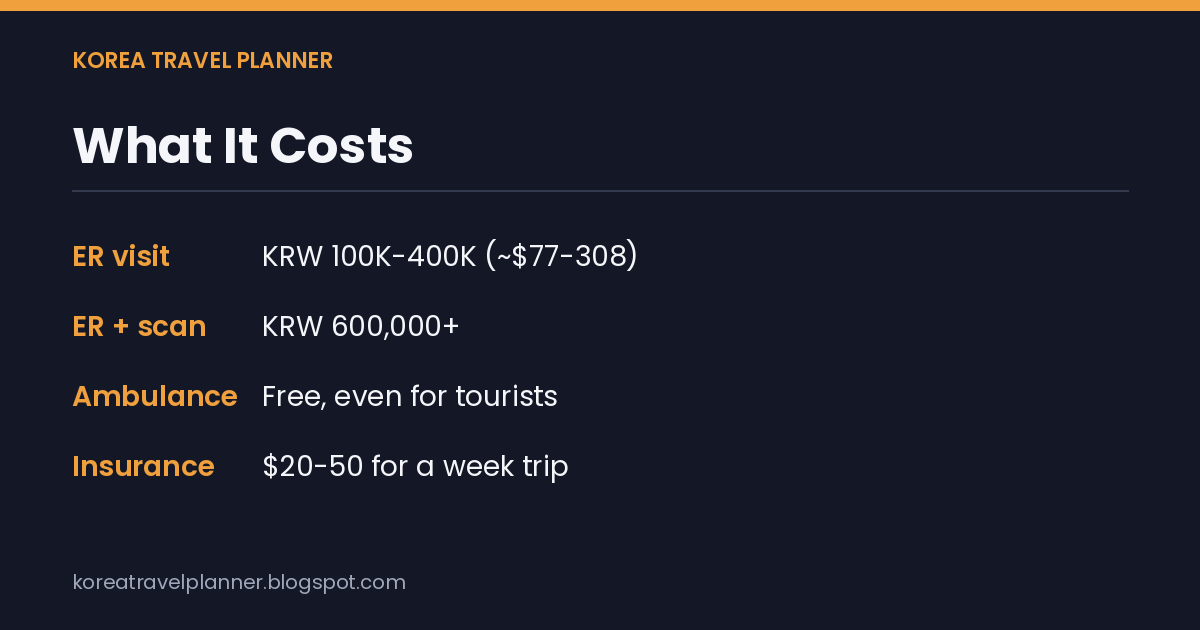
Korean hospitals will treat you regardless. The same ComeOnKorea guide states plainly: "Korean hospitals do treat uninsured foreign patients." What changes is who pays and when. Without Korea's National Health Insurance, you're paying the full, undiscounted rate, and per that guide, a basic emergency room visit runs "100,000 – 400,000 KRW ($77 – $308+)," climbing past 600,000 KRW once a CT or MRI scan enters the picture.
One number surprised me more than the rest. The ambulance itself doesn't cost you anything. A Seoul-area emergency services guide confirms that "ambulance services are provided free of charge," a policy that applies to foreigners the same as residents. So the ride to the hospital is free. The hospital is not.
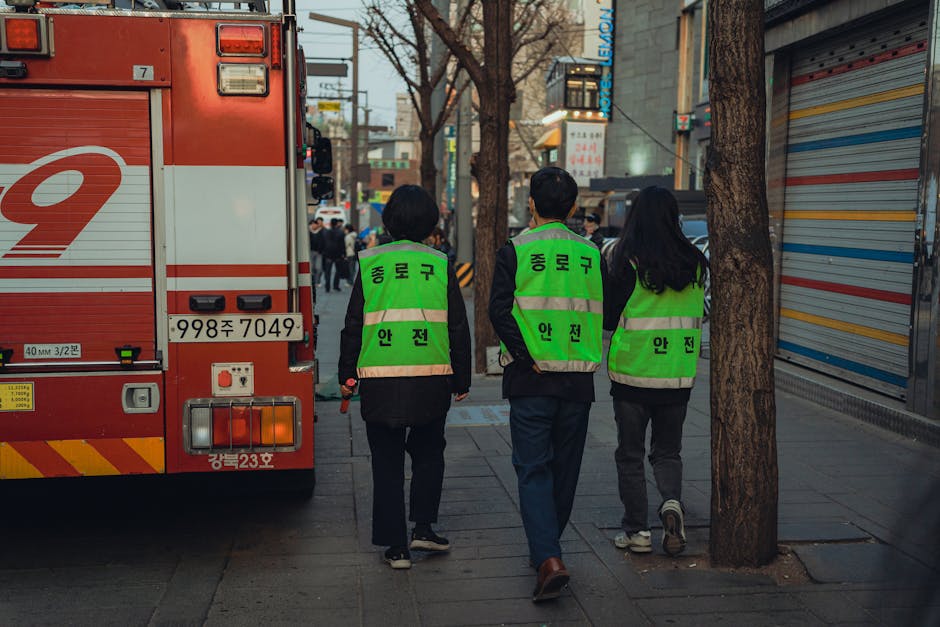
If your Korean is limited, that call still works. A guide to Korea's emergency numbers for foreigners notes that "the dispatcher can bring an interpreter into the call for a three-way conversation" once you say "English, please" clearly when the line picks up. Interpretation hours reportedly run narrower than the 119 line's own around-the-clock coverage, so a call at 3am may take longer to connect you than one at 3pm, but the option exists either way.
There's a payment wrinkle here that catches a lot of people off guard. Most Korean hospitals have no direct-billing relationship with overseas insurers, so even if you're covered, you're typically paying the bill yourself at checkout, card or cash, and filing for reimbursement once you're home. Bring your policy documents and ask for an itemized receipt before you leave the building. Without one, your insurer back home has nothing to process the claim against.
None of this means every scrape needs an ambulance. For anything short of an actual emergency, a regular clinic is both cheaper and faster than sitting in an ER waiting room. Awesomble's healthcare guide for foreigners puts a standard "cold visit + medicine" for someone without coverage at roughly "₩25,000 ($18)." That's the more realistic bill for the traveler who picked up a stomach bug from one too many street-food stalls, not the one who needs a scan.
What a Real Policy Costs, and the One Rule That Matters
For a trip in the one-to-two-week range, ComeOnKorea's own numbers put a basic plan at $20–$50, covering "essential medical and basic baggage coverage" with low limits, and a comprehensive plan at $50–$100, adding trip delay and cancellation protection on top. Compare either one to a single ER visit with a scan, and the math isn't close: a policy that costs less than dinner for two in Myeongdong covers a bill that could otherwise run into the hundreds of dollars.
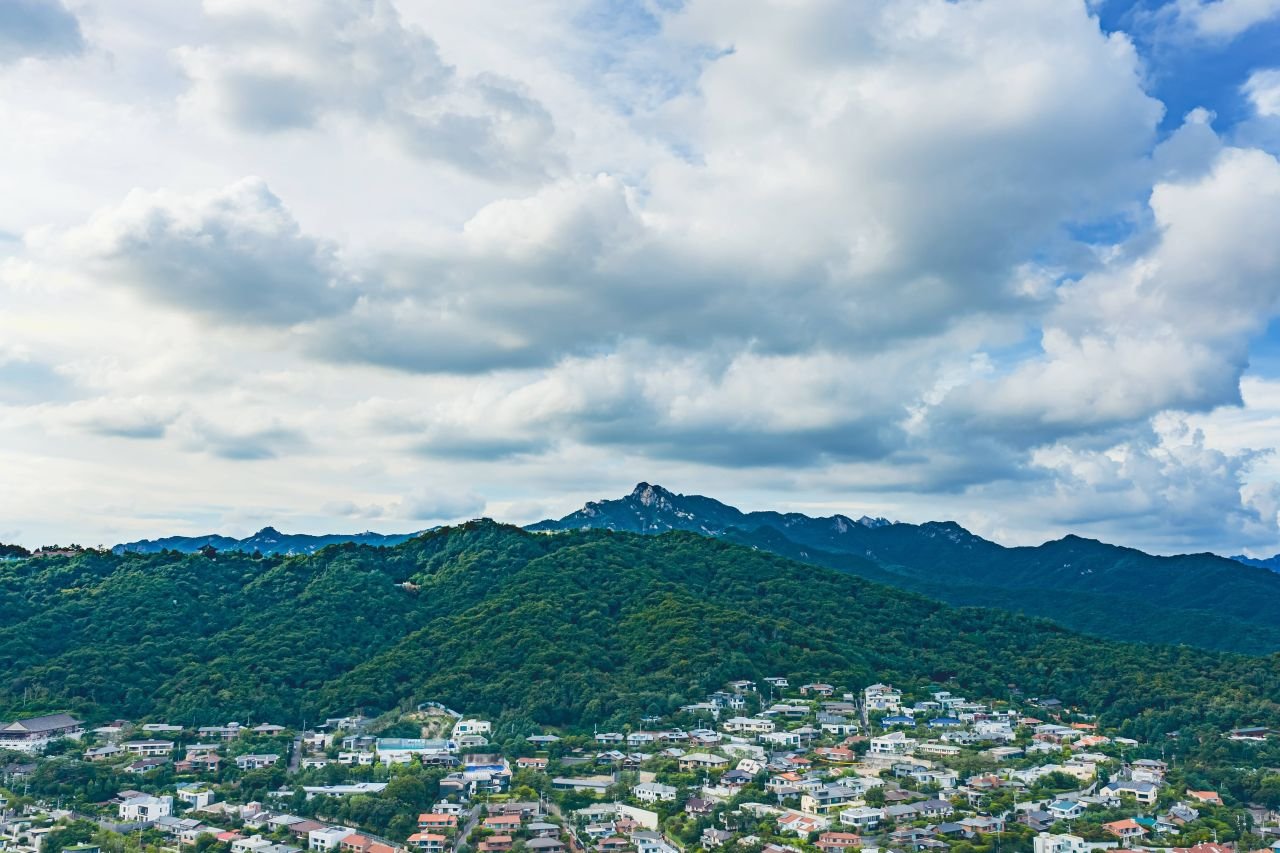
If Bukhansan's chained-off sections are on your itinerary, read the fine print before you assume you're covered. The same guide lists a separate "Adventure/Sports Plan," priced around $80–$150, built specifically to cover "accidents during high-risk activities such as skiing, snowboarding, and rock climbing." A standard comprehensive policy may treat a granite scramble as an excluded activity rather than routine hiking, and finding that out after the ankle is already twisted defeats the point of buying insurance at all.
The one rule that matters is timing, and it's not the one people expect. The same guide is blunt about it: "buy it before you leave home," because "your options for purchasing insurance after arriving in Korea are very limited." Don't plan on sorting this out from your hotel room on day two. If you haven't bought it by the time you board, you've effectively decided to go without.
What Changes Specifically Over the Chuseok Weekend
Chuseok doesn't shut down emergency care. It reshuffles it. Seoul runs a standing on-duty system every public holiday: round-the-clock hospital emergency rooms keep normal hours regardless of the date, and the city designates a rotating set of additional clinics and pharmacies to stay open alongside them. You can find the nearest one three ways, according to Seoul's own guidance: the E-GEN portal at e-gen.or.kr, which switches to a holiday map at midnight on each holiday date, the "e-gen" mobile app, or a call to 119 or the 120 Dasan Call Center.
To give you a sense of scale, during the 2024 Chuseok holiday Seoul averaged "1,184 clinics and 1,306 pharmacies" operating each day across the city, per The Korea Herald's reporting at the time. That's not this year's exact count, and you should check E-GEN closer to the date for 2026's actual numbers, but it tells you the on-duty network is genuinely large, not a handful of exceptions.
What that means for you: a full-scale emergency room is never closed, holiday or not. What you lose over Chuseok is the convenience of your first-choice neighborhood clinic for anything non-urgent, the kind of thing you'd normally just walk into on a Tuesday. Plan around that instead of around the ER, which was never going anywhere.
Not required doesn't mean not worth carrying. If you're spending part of this long weekend on a trail with a Guinness World Record's worth of foot traffic, thirty dollars of insurance bought before you leave home is the cheapest travel decision you'll make all trip. Skip it, and the version of you standing at that hospital counter with a swollen ankle and a full-price bill will wish you'd spent the five minutes at your kitchen table before the flight, not after.
This is a running news series, not a one-off post — new stories go up twice a day, roughly 7am and 7pm Korea time.
More Korea coverage from our network: Hallyu Now · K-Sports Global · Korean Table · Seoul Skin Notes


Comments
Post a Comment