Korea Just Put $70 Million Behind Skipping Incheon Airport
South Korea's Ministry of Culture, Sports and Tourism said on September 10 that it's spending 93.5 billion won, starting next year, to turn five regional airports into actual tourist gateways instead of afterthoughts behind Incheon. That's roughly $67–70 million, depending which converter you trust on any given day, and it's the most concrete money the government has put behind the "stop dumping every foreigner in Seoul" plan so far.
The five airports getting the cash are Gimhae (Busan), Daegu, Cheongju, Yangyang, and Muan, each paired with a cluster of nearby cities the ministry wants foreign arrivals to actually reach: Gimhae links to Busan, Gyeongju, Ulsan, Geoje, and Tongyeong; Daegu to Gyeongju and Andong; Cheongju to Gongju, Buyeo, Iksan, and Jeonju; Yangyang to Gangneung and Sokcho; Muan to Mokpo, Gwangju, and Yeosu. Reported spending so far covers 14.3 billion won for tourism products, 14.9 billion for transport and payment links, 18 billion for overseas marketing, and 18.7 billion for regional content — about 66 billion won of the 93.5 billion total, with the rest not itemized in the announcement coverage. The stated target: double annual arrivals through regional airports and seaports from 2.56 million to 5 million by 2029. "Relying on the capital region alone is simply not enough to reach 30 million international tourists," Culture Minister Chae Hwi-young said.
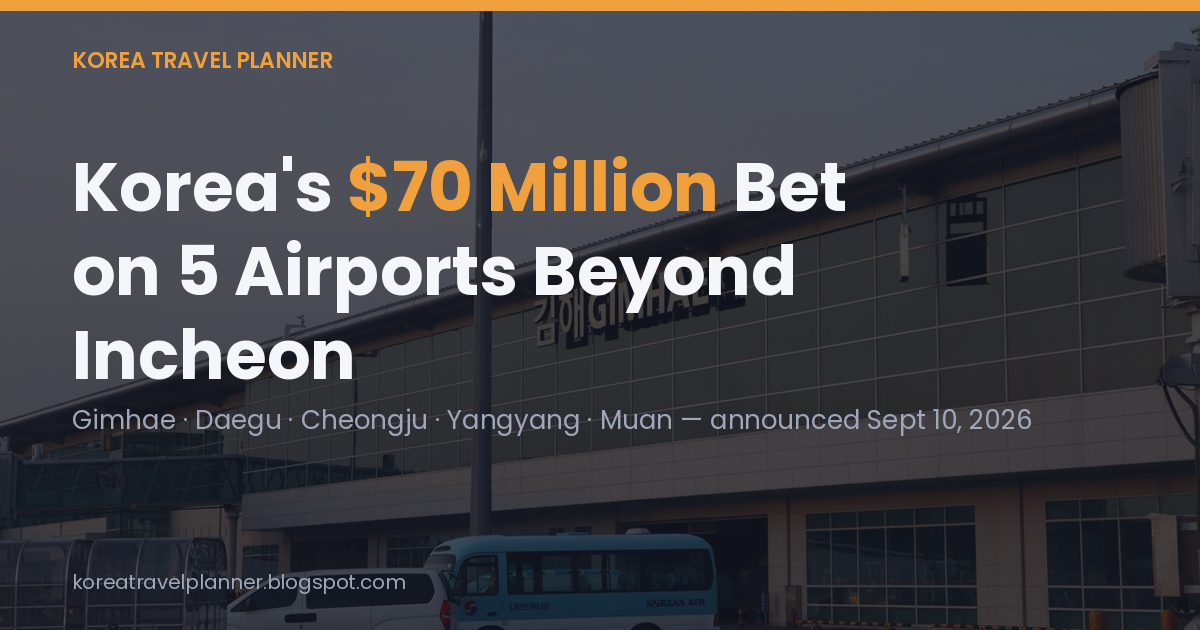
Here's the part the press releases skip: these five airports are not equally ready for this. One of them can't fly you anywhere right now.
What's Flying There Right Now
Gimhae is the real one. It handled more than 10 million international passengers over the past year and already runs regular service to Japan (81 weekly flights to Tokyo alone as of August), Taiwan (Taipei, Taichung, Kaohsiung), China, and Southeast Asia (Bangkok, Cebu, Denpasar, Kota Kinabalu, Singapore), plus a newer Almaty, Kazakhstan route that started in May. If you're already flying within Asia — Tokyo, Osaka, Taipei — Gimhae is a genuinely usable front door to Korea today, not a 2029 promise.
Daegu and Cheongju are thinner and skewed almost entirely toward China: Cheongju runs weekly flights to Beijing, Hangzhou, Chengdu, Xiamen, and Huangshan; Daegu just added a seven-times-weekly Shanghai route. Useful if you're connecting through a Chinese hub, not much help otherwise yet. Yangyang is smaller still — irregular China and Southeast Asia service, and it's the only Korean airport that allows international light-aircraft flights for personal travel, which tells you more about its scale than anything else does.
Then there's Muan. Muan has been closed since the Jeju Air crash in December 2024, and as of this posting it's still not flying — the investigation into the crash hasn't wrapped, and the government hasn't given a reopening date despite President Lee publicly pushing for one back in February. One of the five hubs in a plan built around 2029 targets currently has zero flights. Worth knowing before you build a Mokpo-via-Muan itinerary around a headline.
The Airport-to-Destination Math
For the corridors that do work, the math is worth doing before you assume Incheon is automatically the right call.
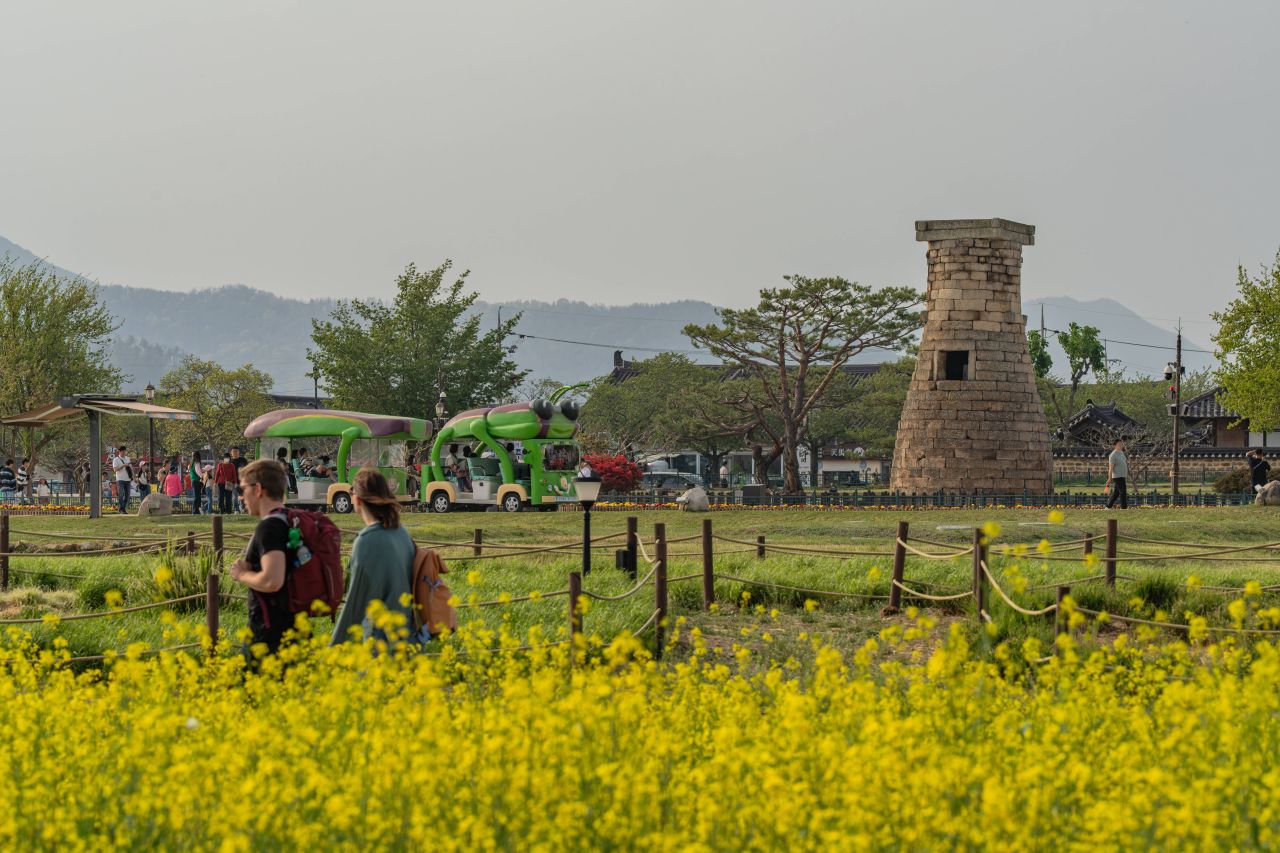
Flying into Daegu and heading to Gyeongju: it's about a 47-minute drive from the airport to Gyeongju's intercity bus terminal, or a roughly 50-minute bus ride from Dongdaegu for $5–8. Compare that with the standard Seoul route — the KTX from Seoul Station to Singyeongju runs about 2 hours 4 minutes, and Singyeongju isn't in Gyeongju itself; it's a local bus or a 15-minute taxi ride outside town. Add it up and flying Daegu shaves well over an hour off the door-to-door time, if your flight goes to Daegu.
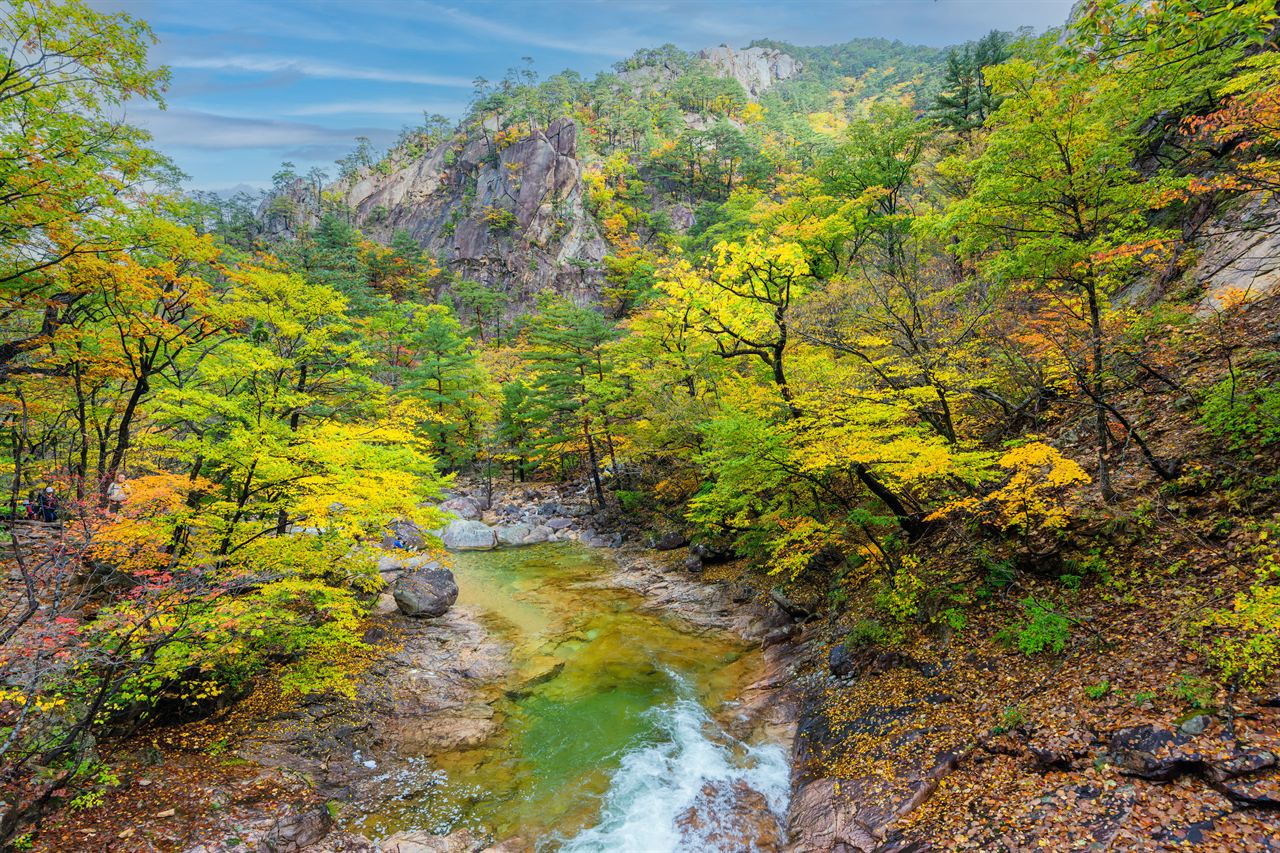
Yangyang to Seoraksan is the more dramatic gap. It's an 18-minute drive, or a 16-minute bus ride for $2–4, from the airport to Sokcho. Seoul's version of that trip is a direct express bus from Seoul, since the rail line that would eventually connect Seoul to Sokcho (an extension past the current ITX-Cheongchun terminus at Chuncheon) is still under construction and not expected before 2028 — that bus runs about 2 hours 20 minutes. If Seoraksan is the actual point of your trip and you can find a flight into Yangyang, you'd be trading well over two hours on a bus for less than twenty minutes on one.
Muan to Gwangju is a 1-hour direct bus, four times a day, once Muan is taking flights again — which, again, it currently isn't.
Should You Change Your Flights?
Not yet, for most readers. If you're flying in from the US, UK, Canada, or Australia, none of these five airports has a route from your side of the world, and that's not changing before 2027 at the earliest — this money is for infrastructure and marketing, not new long-haul routes landing next month. Book Incheon like you were going to.
But if your trip already starts somewhere in Asia — Tokyo, Osaka, Taipei — and your itinerary is Busan, Gyeongju, or anywhere in the southeast, check Gimhae flights before you default to Incheon plus a connection. And if you're the kind of traveler who tracks this stuff for a trip two years out, this is the plan to watch: bookmark it, don't build an itinerary around it yet.
Sources so far don't say what happens to the 93.5 billion won if Muan still isn't flying by 2027. That's the number worth checking again next year, not the 5-million target — targets are easy to set four years out.
This is a running news series, not a one-off post — new stories go up twice a day, roughly 7am and 7pm Korea time.
More Korea coverage from our network: Hallyu Now · K-Sports Global · Korean Table · Seoul Skin Notes


Comments
Post a Comment